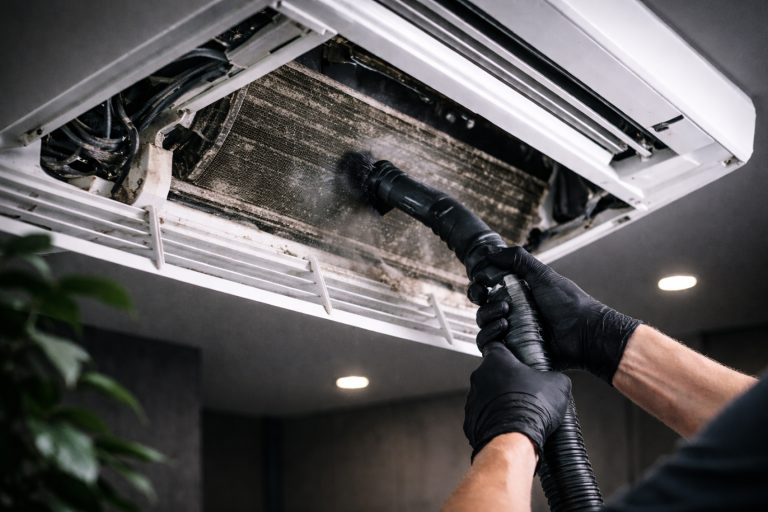
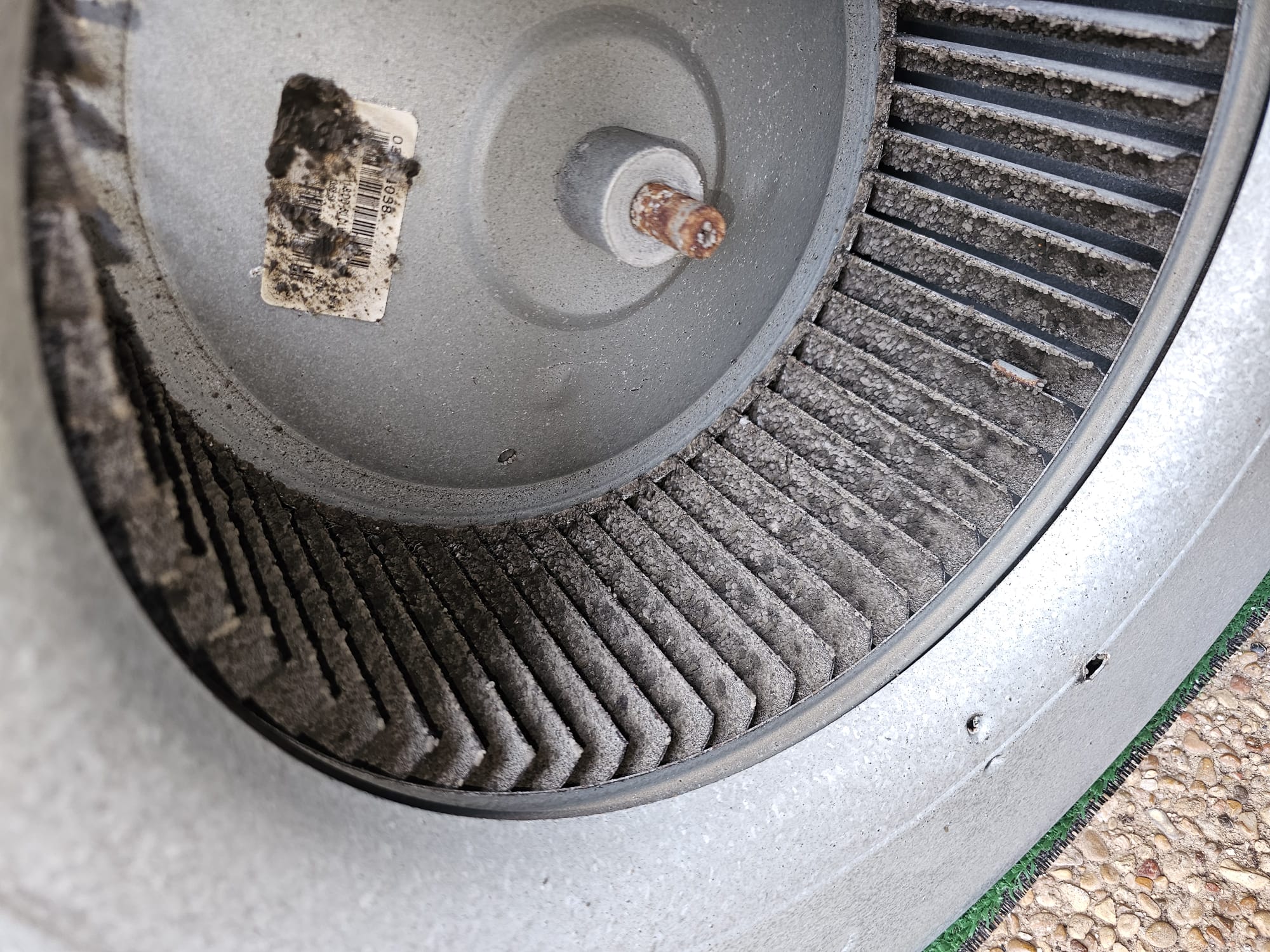
A musty smell that appears as soon as your air conditioner turns on usually points to moisture, accumulated debris, or contamination somewhere in the HVAC system. The odor may come from the evaporator coil, condensate pan, air handler, ductwork, or another area where damp conditions and organic material are present.
For Austin homeowners, the goal is to identify where the odor originates, correct the underlying moisture or contamination issue, and determine whether cleaning, disinfection, duct repair, or another service is actually necessary.
Key Takeaways
- Common Causes: A musty AC smell is usually tied to moisture, dust, microbial buildup, or drainage problems.
- Multiple Source Locations: Odors can originate in the evaporator coil, condensate pan, air handler, ductwork, or nearby insulation.
- Inspection First: Air duct cleaning is not automatically the right solution—the root cause must be identified before treating the system.
- Replacement vs. Cleaning: Wet or contaminated fibrous duct insulation often needs replacement rather than routine cleaning.
- Systemic Evaluation: Persistent odors returning every cycle require a full-system professional inspection.
Primary Causes of Musty HVAC Odors
When the blower starts, air passes across contaminated components and carries odors through the supply vents into your home. Pinpointing the actual source avoids unnecessary expenses and ensures long-term resolution.
1Moisture Around the Evaporator Coil
The evaporator coil becomes cold during operation, causing warm indoor air to condense on its fins. Dust and debris collecting on a persistently damp coil create ideal conditions for odor-producing buildup. Because the coil sits directly in the airflow path, smells in this area become noticeable almost immediately after startup.
2A Dirty or Poorly Draining Condensate Pan
Your AC extracts water from the air, which should drain seamlessly. If the drain line becomes restricted or standing water sits in the pan, a damp, stagnant odor develops.
| Indicator | Possible System Issue |
|---|---|
| Water pooling near air handler | Clogged condensate drain line |
| Water stains on ceiling/drywall | Overflowing drain pan or ceiling unit leak |
| Earthy smell right at startup | Damp dust on evaporator coils |
| Musty smell persisting constantly | Saturated duct insulation or standing water |
3Dust & Debris Inside the Air Ducts
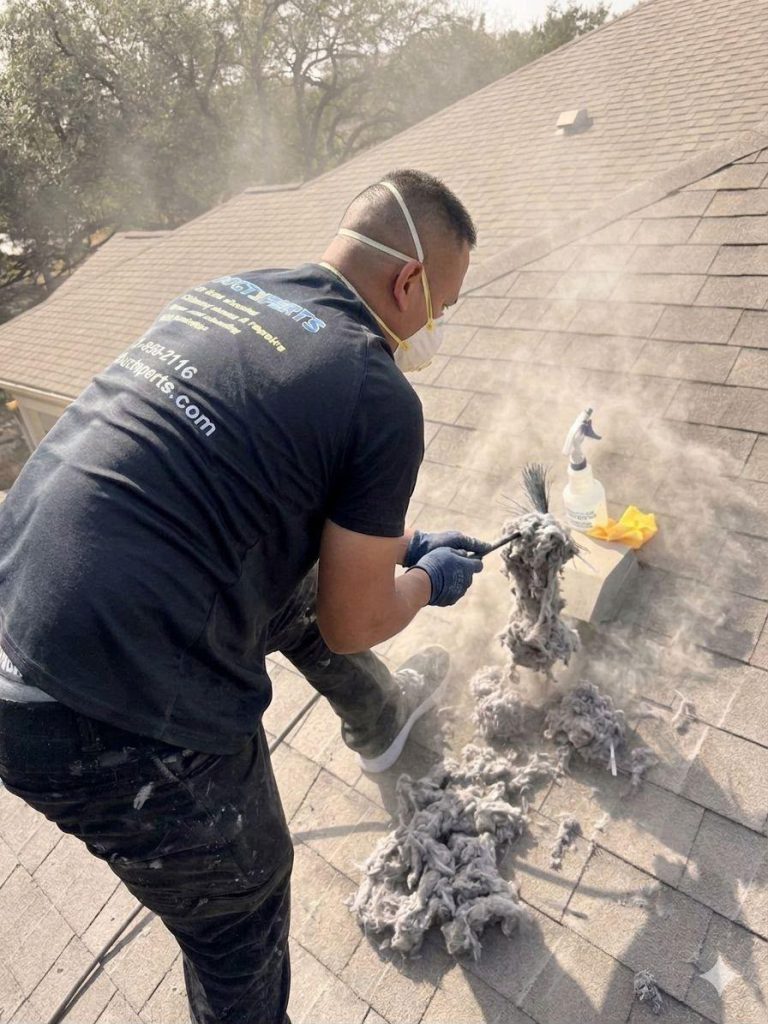
Dust alone does not always produce severe odors, but significant debris combined with moisture creates a recurring problem. Ductwork can trap household dust, pet dander, and renovation debris that hold dampness over time.
4Wet or Damaged Duct Insulation
Unlike sheet-metal ducts, fibrous insulated ductwork poses a unique challenge. If internal insulation becomes wet and contaminated, mechanical cleaning may damage the material further. In these cases, removing and replacing damaged duct sections is the proper solution.
Can Air Duct Cleaning Resolve a Musty Smell?
Air duct cleaning helps when the air distribution system itself is contaminated. However, cleaning the ducts will not fix a clogged condensate drain, standing water around the coil, wet insulation, or a plumbing leak.
Complementary Solutions
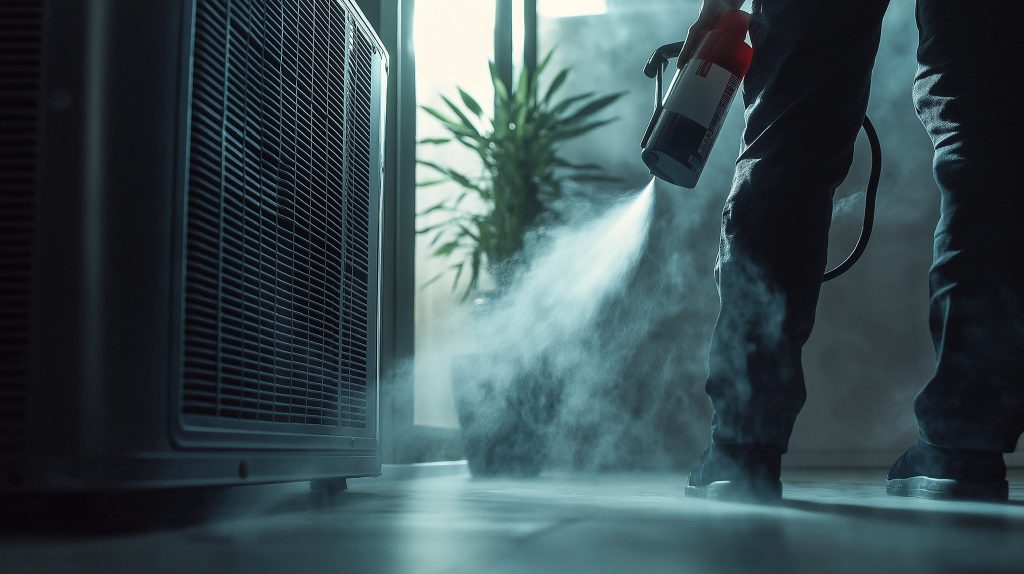
- HVAC Disinfection: Applied after physical debris and moisture issues are resolved to neutralize residual odor-causing bacteria. Disinfection should never replace fixing leaks or drainage failures.
- UV Light Systems: Installing an HVAC UV system helps limit microbial growth on damp surfaces like coils. UV lights act as preventative measures after the system has been properly cleaned.
DIY Troubleshooting Checklist for Homeowner
Before scheduling a service call, check these basic items:
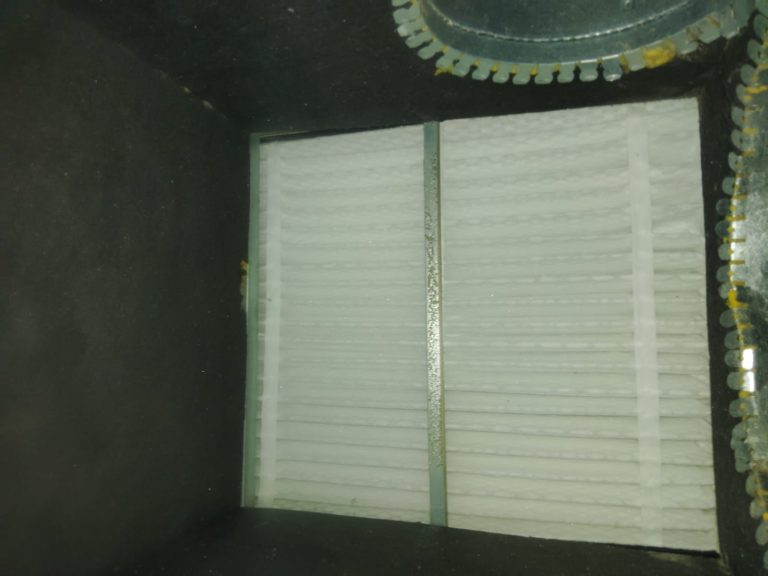
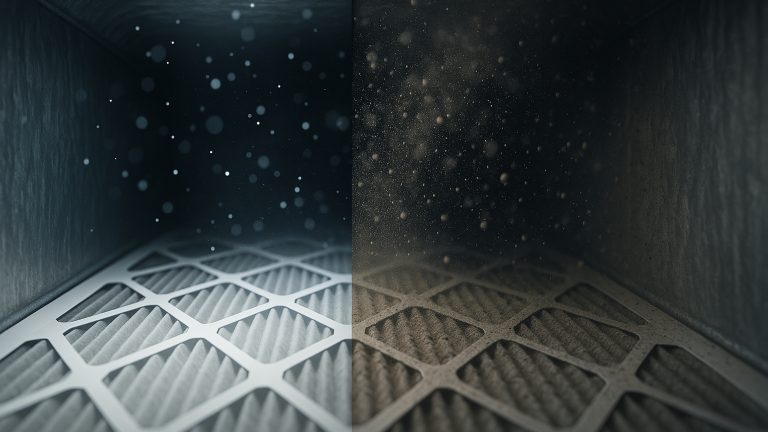
- Replace the HVAC Filter: A heavily loaded filter traps moisture and debris, restricting airflow and emitting stale smells.
- Inspect Return Grilles: Clean off accumulated dust on supply and return vents.
- Check the Indoor Unit: Look for visible standing water or dampness around the air handler.
- Monitor Odor Duration: Note whether the smell dissipates after a few minutes or stays continuous throughout the cycle.
Caution: Avoid spraying household disinfectants, bleach, or air fresheners directly into return vents or ductwork. These products can damage components, release harmful chemical fumes, and fail to solve the underlying problem.
When to Call a Professional in Austin
An inspection is recommended when odors persist across multiple cooling cycles, or when accompanied by visible moisture, ceiling staining, or reduced airflow. Austin’s long cooling season puts extra strain on condensate systems, making proper moisture management vital to indoor air quality.
DuctXperts evaluates your entire HVAC system, including coils, drain pans, air handlers, and duct integrity, to address the true root cause. Beyond air duct cleaning and disinfection, DuctXperts also offers Attic Insulation Services when damp attic conditions impact your duct performance.
Frequently Asked Questions
Is a musty smell from my AC always mold?
No. Standing condensate, damp dust, dirty components, and wet insulation can produce similar earthy smells. A professional inspection determines the exact source.
Why does the smell disappear after running for a few minutes?
Concentrated moisture on a coil or pan creates stagnant odors between cycles. When the fan turns on, that concentrated air is pushed out first, becoming diluted as airflow continues.
Should I replace my ducts or clean them?
If you have bare metal ducts with dust buildup, cleaning is effective. If you have saturated flex duct or fibrous insulation that has been exposed to water, replacing those damaged sections is necessary.
Eliminate Musty AC Odors at the Source
If a musty odor returns every time your air conditioner turns on, DuctXperts can help. Servicing homes throughout Austin and Central Texas, our team delivers accurate diagnostics and complete solution packages tailored to your system’s actual condition.
Ready for cleaner indoor air? Contact us today to schedule an HVAC inspection or request an estimate.