
If your home feels dusty or stuffy, an air purifier and a duct cleaning both look like solutions, and they are often marketed as if one makes the other unnecessary. They actually do different jobs. This guide compares what each one does, what each one cannot do, and how to decide where to spend money first.
Key Takeaways
- Air purifiers treat the air in a room; duct cleaning treats debris inside the ducts.
- Neither replaces source control, ventilation, or a clean HVAC filter.
- Duct cleaning makes the most sense when there is visible contamination, heavy debris, or pests.
- A purifier can help in a specific room, such as a bedroom, without touching the ducts.
Two Tools for Two Different Jobs
An air purifier works on air that is already in the room, and duct cleaning works on the pathway that air travels through. That difference explains most of the confusion.
The EPA describes portable air cleaners as designed to filter the air in a single room or area, while HVAC filters are designed to filter air throughout the home. Duct cleaning is a separate process that removes buildup from supply and return ductwork. You can see how the EPA frames the options on its page about air cleaners and air filters in the home.
Side by Side: What Each One Actually Does
| Option | What It Addresses | What It Does Not Address |
|---|---|---|
| Portable air purifier | Particles in one room, depending on filter and size | Debris inside ducts, moisture, or the rest of the house |
| Upgraded HVAC filter | Particles passing through the whole system | Existing buildup in ducts; may restrict airflow if not compatible |
| Duct cleaning | Accumulated dust and debris inside ductwork | Ongoing dust sources, odors from moisture, or outdoor pollen |
| Source control and ventilation | Reduces what enters the air in the first place | Does not remove existing duct buildup |
What the Research Says About Duct Cleaning and Air Quality
The evidence that duct cleaning improves health or lowers dust levels is limited. The EPA states that no evidence shows duct cleaning prevents health problems, and that studies do not conclusively show that dirty ducts raise indoor particle levels or that cleaning lowers them.
That does not mean cleaning is never useful. The EPA identifies cases where it may be warranted, such as substantial visible mold, vermin infestation, or heavy dust and debris clogging the system or blowing out of registers. Our article on whether professional duct cleaning is worth the cost walks through those scenarios.
Where an Air Purifier Makes Sense
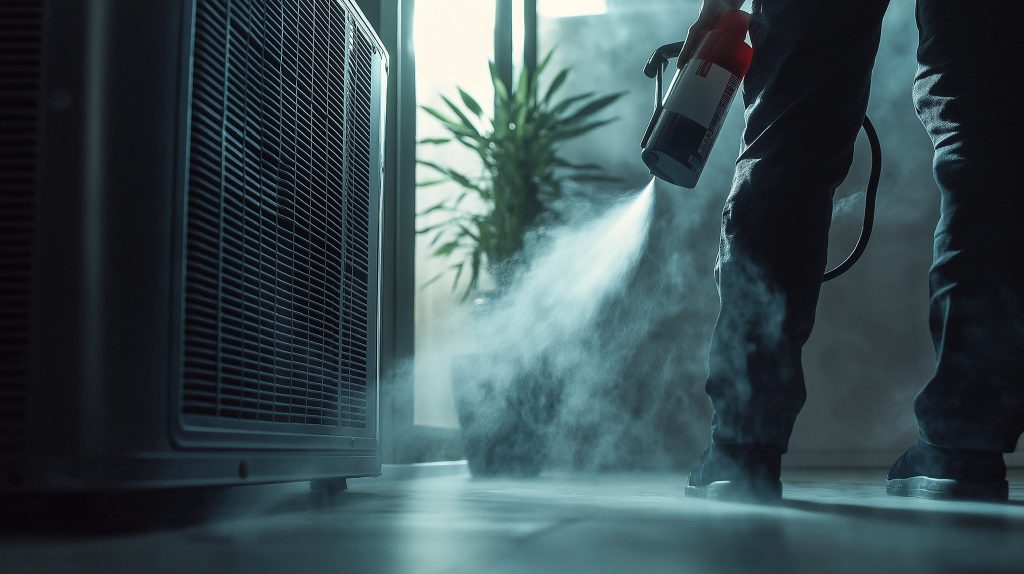
A purifier is a reasonable choice when you want to reduce particles in one room, such as a bedroom or a pet area. It does not require opening up the HVAC system and can be moved as needs change.
Pet owners often use purifiers alongside regular cleaning, since pet hair and dander circulate in living areas. Our guide on why pet owners may need more frequent duct cleaning explains where ducts fit into that picture.
Where Duct Cleaning Makes Sense
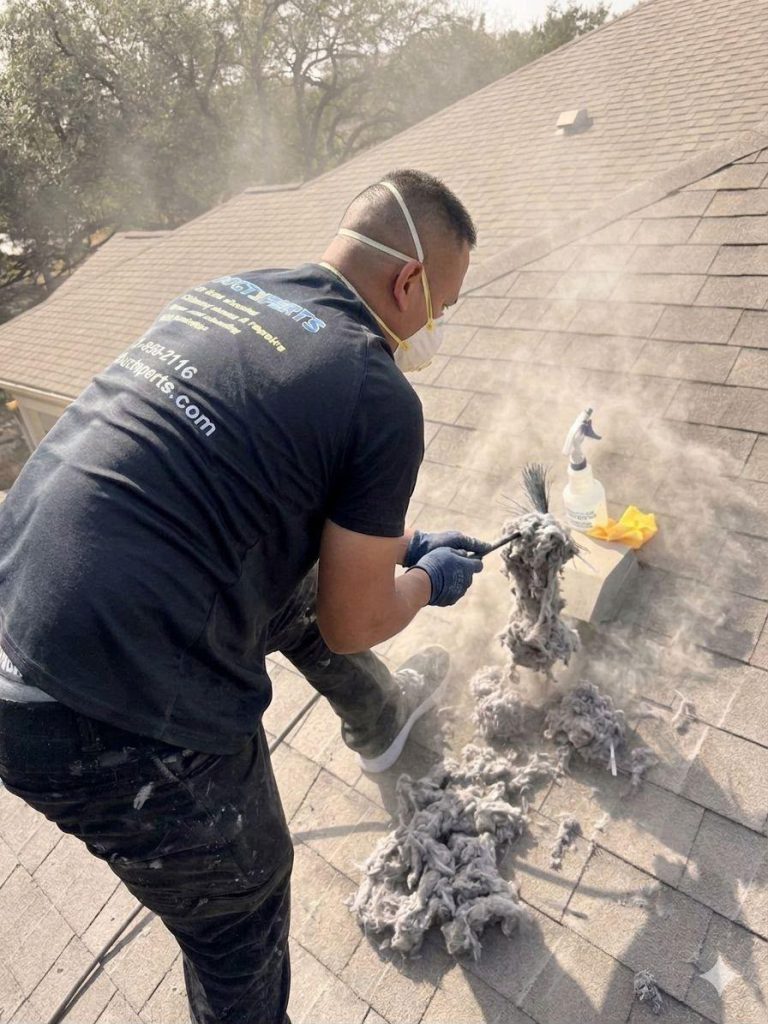
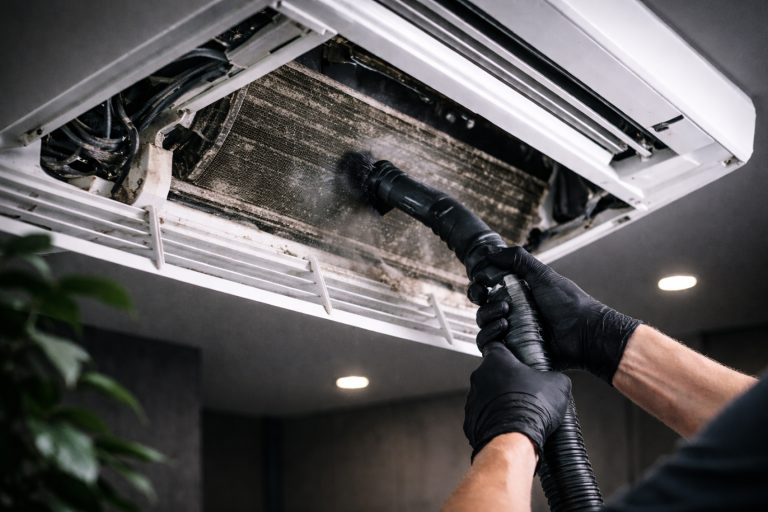
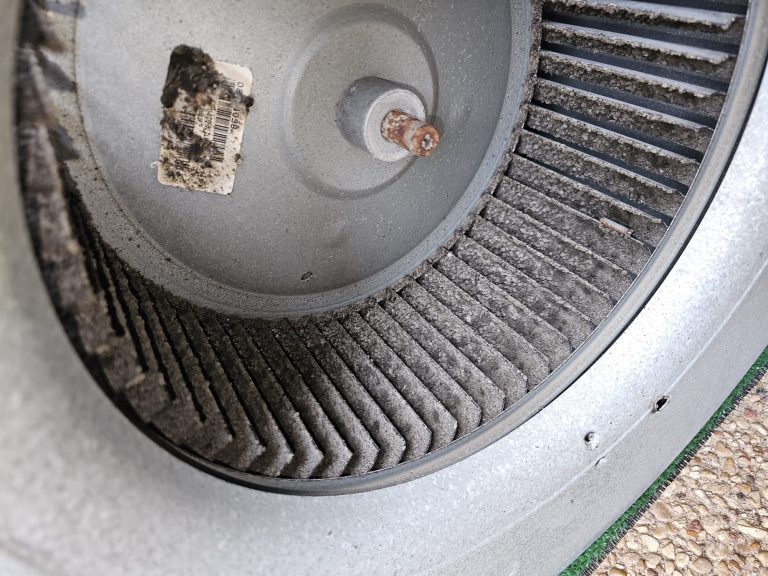
Duct cleaning fits when there is a physical problem in the ductwork. That includes visible mold in hard-surface ducts, pests, heavy debris, or construction dust. A technician can inspect the system and show what is actually there.
If you are unsure whether your situation qualifies, our guide to signs your air ducts need cleaning lists what to look for. DuctXperts provides air duct cleaning in Austin when an inspection shows it is warranted.
Not Sure Which One Your Home Actually Needs?
Dust, odors, and stuffiness can come from filters, leaks, moisture, or outdoor air, and the right fix depends on the cause. An inspection can help determine whether cleaning, sealing, filtration, or another step makes the most sense.
A Simple Way to Decide
| If Your Main Problem Is | Start With | Why |
|---|---|---|
| Dust or dander in one room | Purifier, plus regular cleaning | Targets particles where you spend time |
| Dust throughout the house | Check filter and airflow, then inspect | The cause may be the filter, leaks, or an outdoor source |
| Visible mold or pests in ducts | Professional inspection and cleaning | Physical contamination needs physical removal |
| Musty smell | Inspection for moisture | Neither a purifier nor cleaning fixes moisture |
| Dust after remodeling | Inspection and cleaning | Construction debris can enter the system |
Don’t Skip the Cheapest Fix: Your HVAC Filter
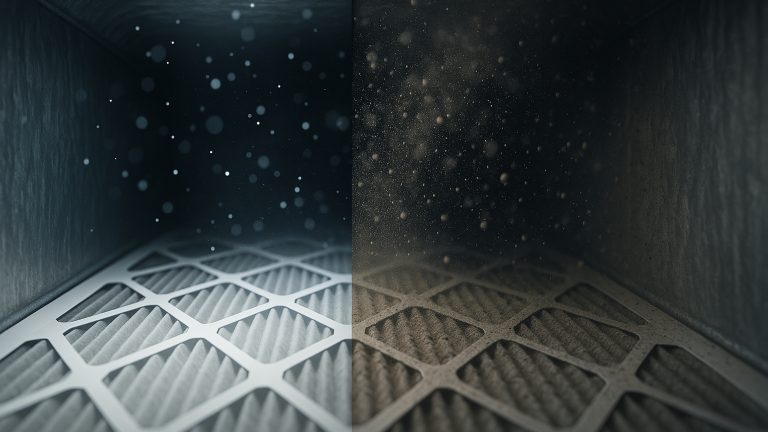
A clean, properly sized HVAC filter does more than most people realize. The EPA recommends using the highest-efficiency filter your system is designed for and changing it regularly, because filtration keeps new dust from reaching the ducts.
Austin homeowners dealing with seasonal pollen should pay particular attention here. Our article on Austin HVAC systems during allergy season explains how pollen enters the home, and the guide to improving indoor air quality covers the factors that matter most.
Using Both Without Overspending
If you already own a purifier and have a real duct issue, the two work together without conflict. If you are choosing between them, put money first into the filter, source control, and an inspection, then add a purifier or cleaning if the findings support it.
Homes across Austin, from Round Rock to Pflugerville, face similar dust and pollen conditions, so the same decision framework applies.
Frequently Asked Questions
Can an air purifier replace duct cleaning?
No. A purifier filters air in one room, and it does nothing about debris inside the ductwork. If your ducts have visible contamination or heavy buildup, a purifier will not remove it. Conversely, cleaning the ducts will not make a purifier unnecessary if you want extra filtration in a specific room.
Does duct cleaning improve indoor air quality?
Not necessarily. The EPA says studies do not conclusively show that cleaning lowers indoor particle levels, and indoor air quality depends on filtration, ventilation, humidity, and sources such as pets and cooking. Cleaning can help when there is a confirmed problem, such as visible mold or heavy debris.
Which is better for allergies, an air purifier or duct cleaning?
Neither is a cure, and neither should be promised as one. A purifier may reduce particles in the room where it runs, and cleaning can remove accumulated debris from ducts. Exposure depends on many factors, including pollen entering the home, so talk with a medical professional about allergy symptoms.
How often should I replace my HVAC filter?
Follow the filter manufacturer and your system’s guidance, since the right interval depends on the filter type, pets, and dust. Check it regularly during heavy cooling months and after dusty projects. A clogged filter restricts airflow and reduces how well it protects the ducts.
Does DuctXperts recommend duct cleaning for every home?
No. Duct cleaning makes sense when an inspection shows a real condition, such as visible contamination or heavy debris. DuctXperts offers a free inspection in Austin and quotes one fixed price before work begins, so you can decide with real information.
Choose the Fix That Matches the Problem
The best air quality plan usually combines filtration, source control, and service only where it is needed. DuctXperts serves Austin and the surrounding Central Texas area with free inspections and fixed pricing quoted before any work starts.
Request an inspection or call (512) 656-2116.