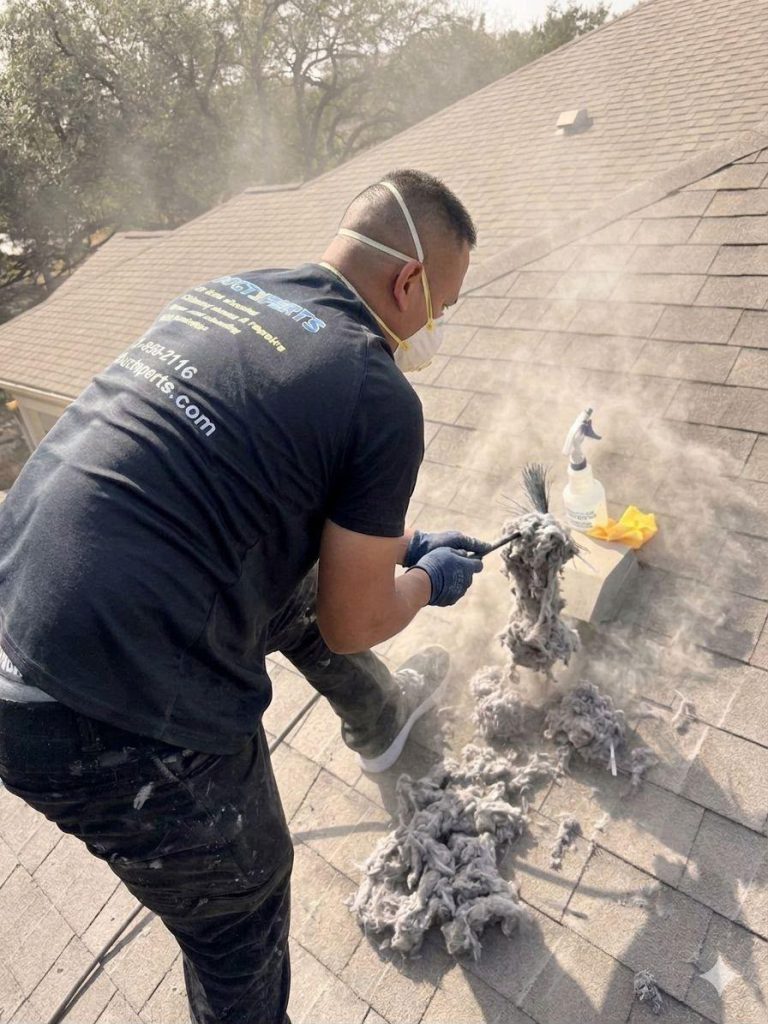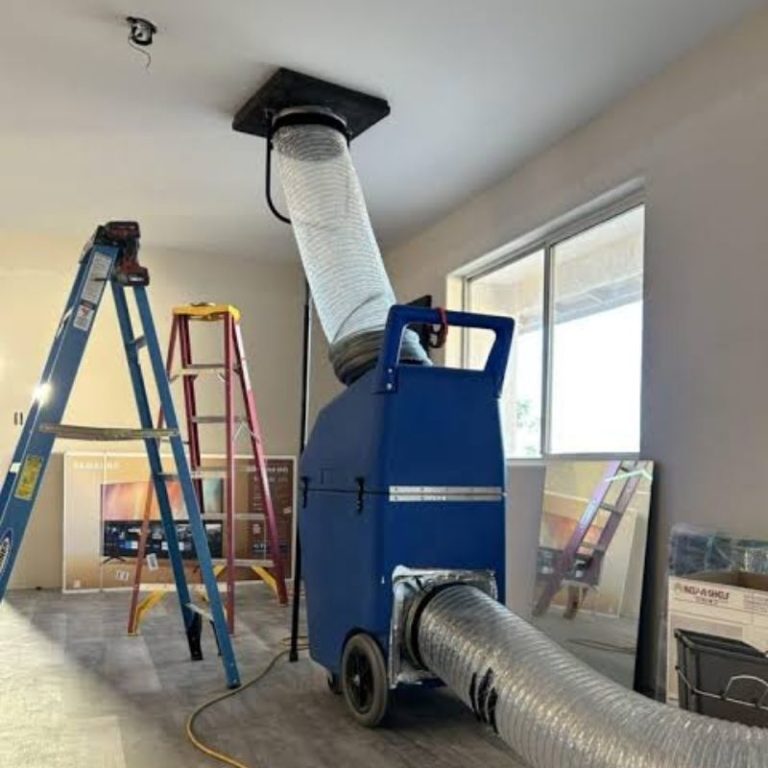
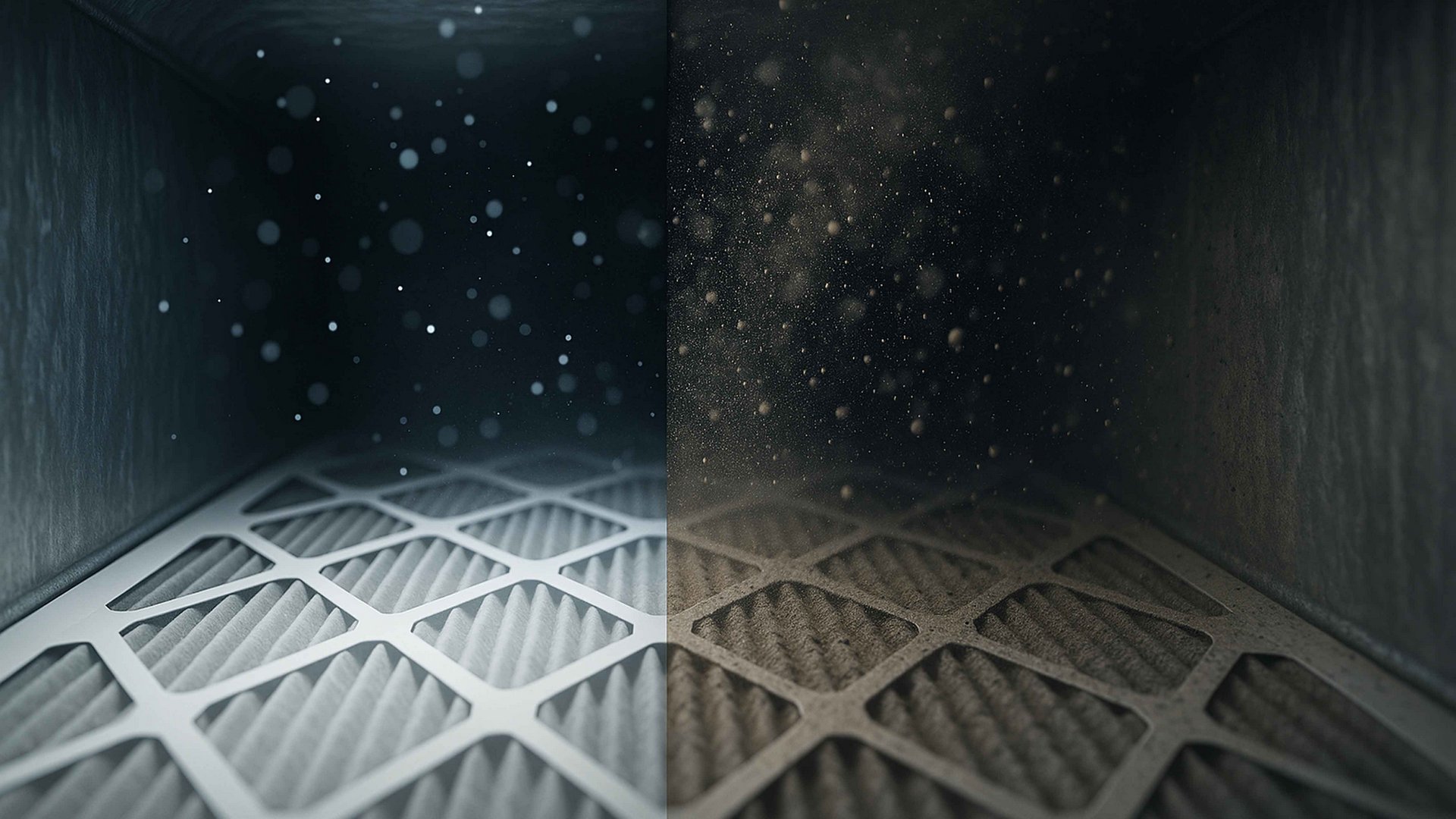
Dirty ductwork can reduce airflow and strain your HVAC system, but the link between ducts and energy waste is more complex than simply saying dust raises your electric bill. Heavy buildup can interfere with airflow, but issues like air leaks, disconnected sections, damaged insulation, and unsealed ductwork waste conditioned air long before it reaches your living space.
For Austin homeowners, understanding where efficiency is truly lost helps identify which duct problems are worth fixing.
| Source | Airflow Path / Issue | Outcome / Impact |
|---|---|---|
| HVAC Fan / Blower | Primary Supply Trunk ➔ Duct Leaks / Disconnections | Lost Air in Attic |
| HVAC Fan / Blower | Primary Supply Trunk ➔ Living Area Vents | Uneven Cooling & High Bills |
Key Takeaways
- Dust vs. Leaks: Heavy debris can restrict airflow, but ordinary surface dust rarely causes major energy spikes on its own.
- Massive Energy Loss: ENERGY STAR reports that leaks, gaps, and poor connections can lose 20% to 30% of the air moving through a typical duct system.
- Component Impact: Dirty evaporator coils and blower fans harm HVAC efficiency far more than dusty duct walls.
- Common Warning Signs: Unusually high bills, hot/cold room variances, weak register airflow, and long AC cycles point toward distribution issues.
- Inspection First: Cleaning, sealing, repairing, or replacing ducts should always be based on a physical inspection rather than guesswork.
What Really Causes HVAC Energy Loss?
When evaluating why an air conditioner works overtime during an Austin summer, it helps to distinguish between restricted airflow (dirt and debris) and lost airflow (leakage and damage).
| Problem Type | Common Cause | Impact on Efficiency | Best Solution |
|---|---|---|---|
| Airflow Restriction | Heavy dust accumulation, dirty coils, or clogged filters | Medium-to-High: System runs longer to move necessary air volume | Air Duct Cleaning & Coil Washing |
| Duct Air Leakage | Cracked joints, unsealed seams, disconnected flex duct | Critical: 20–30% of paid-for cooled air escapes into attics | Duct Sealing & Joint Repair |
| Physical Damage | Crushed, tangled, or kinked flexible duct runs | High: Starves specific rooms of conditioned air | Duct Replacement |
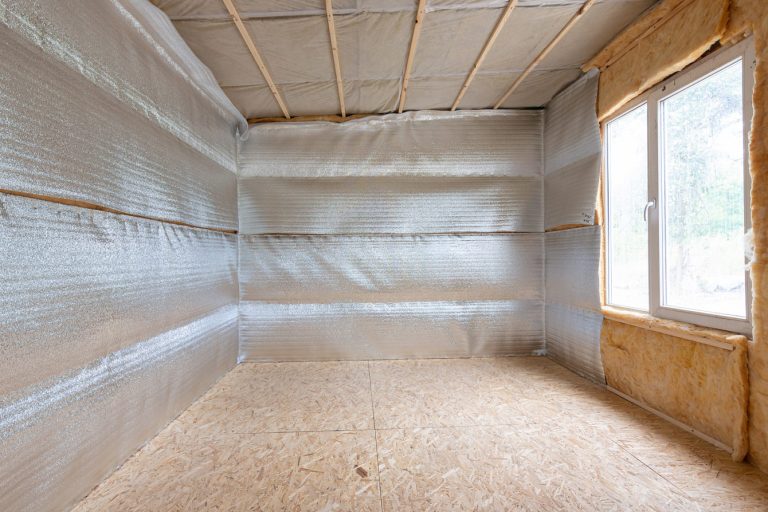
| Thermal Loss | Missing, wet, or compressed duct/attic insulation | High: Heat gains warm the cool air inside duct runs | Attic Insulation Services |
The True Cost of Leaky Ducts in Central Texas
According to ENERGY STAR, duct leaks can reduce overall heating and cooling efficiency by up to 20%. In Central Texas, where air conditioners run frequently for much of the year, leaks in an unconditioned attic create two severe problems:
- Supply Leakage: Conditioned, cold air dumps directly into the hot attic space rather than cooling your bedrooms or living rooms.
- Return Leakage: The return side draws hot, dusty, 130°F attic air directly into your HVAC unit, forcing the compressor to work dramatically harder.
| Restricted Airflow Source | Escaping Air Source |
|---|---|
| • Excessive Debris / Renovation Dust • Dirty Blower Fan / Coil • Loaded Return Filter |
• Disconnected Joint in Attic • Crushed or Torn Flex Line • Poorly Sealed Connections |
| Action: Schedule Full-System Cleaning | Action: Schedule Sealing / Duct Repair |
Is Air Duct Cleaning Worth It for Energy Savings?
Per EPA research, cleaning dusty duct walls alone has a modest impact on energy bills. However, cleaning dirty mechanical components, such as evaporator coils, blower assemblies, and heat exchangers, can directly restore system efficiency.
If your ducts contain excessive dust from recent construction, pest activity, or severe buildup, a comprehensive service restores original airflow velocity. If the ductwork is structurally broken, crushed, or leaking at seams, repairs or replacements yield far higher returns on investment.
Simple Energy Checklist for Homeowners
Before assuming your entire duct system needs replacement, run through these diagnostic steps:
- Inspect Your Filter: A heavily clogged filter restricts airflow before air ever enters your ductwork.
- Unblock Registers: Ensure furniture, drapes, or rugs are not obstructing return or supply grilles.
- Check Visible Connections: Look in accessible attic or closet space for disconnected flex lines or loose tape.
- Assess Temperature Balance: Note whether specific rooms stay uncomfortably hot despite continuous AC operation.
Frequently Asked Questions
Will cleaning my air ducts immediately lower my electric bill?
Not necessarily. If heavy debris was severely restricting airflow across your evaporator coil or blower fan, cleaning will restore operating efficiency. However, if your energy loss is driven by attic leaks or poor insulation, duct cleaning alone will not lower utility costs.
Why is one room in my home always hot?
Uneven temperatures are usually caused by a crushed or disconnected duct branch serving that specific room, unbalanced dampers, or poor attic insulation above that zone.
How do I know if I need duct cleaning or duct replacement?
If your ducts are structurally sound but contain high levels of dust, pet hair, or renovation debris, professional cleaning is appropriate. If the duct material is crushed, torn, uninsulated, or contaminated with wet insulation, replacement is required.
Stop Wasting HVAC Energy Today
Higher energy bills don’t always mean you need a costly air conditioner replacement. Identifying air leaks, clearing blocked pathways, or replacing crushed ductwork can restore home comfort and control operating costs.
DuctXperts offers thorough HVAC assessments, air duct cleaning, sealing, duct replacement, and attic insulation services throughout Austin and Central Texas.
Want to find out where your home is losing airflow? Contact us today to schedule an HVAC performance evaluation or request an estimate.