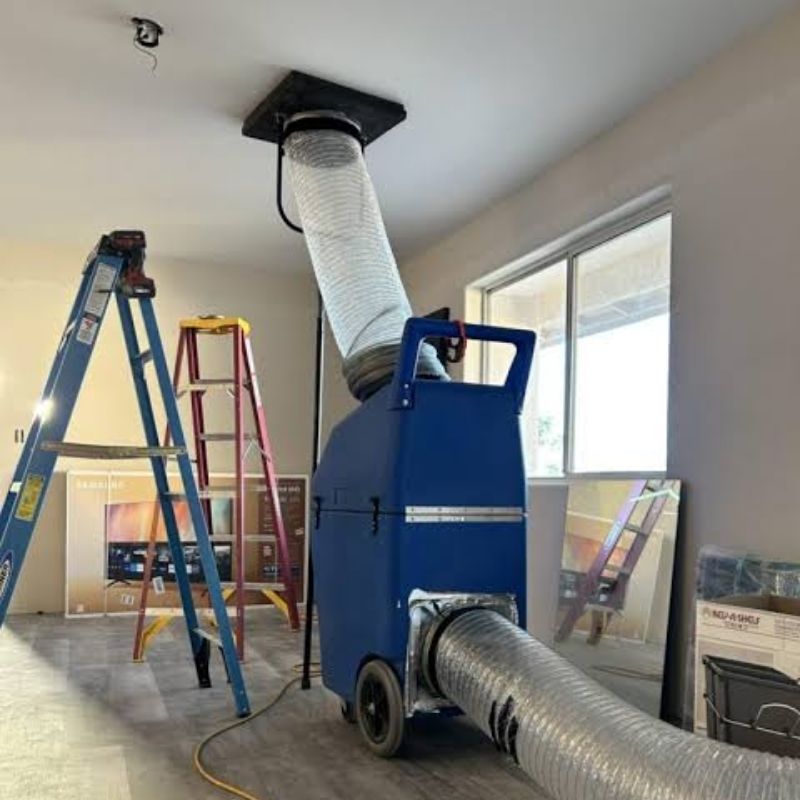
Clean air ducts may support better HVAC performance when excessive debris or contamination interferes with airflow, but duct cleaning does not automatically reduce every homeowner’s energy bill. Per EPA guidelines, cleaning dirty mechanical components, such as cooling coils, fans, and heat exchangers, can improve system efficiency, while evidence that cleaning ductwork walls alone yields significant efficiency gains remains limited.
For Austin homeowners, the most effective approach is to identify whether dirt, damaged ductwork, air leaks, insulation problems, or another issue is actually causing the system to work harder.
Are High Bills Caused by Ducts?
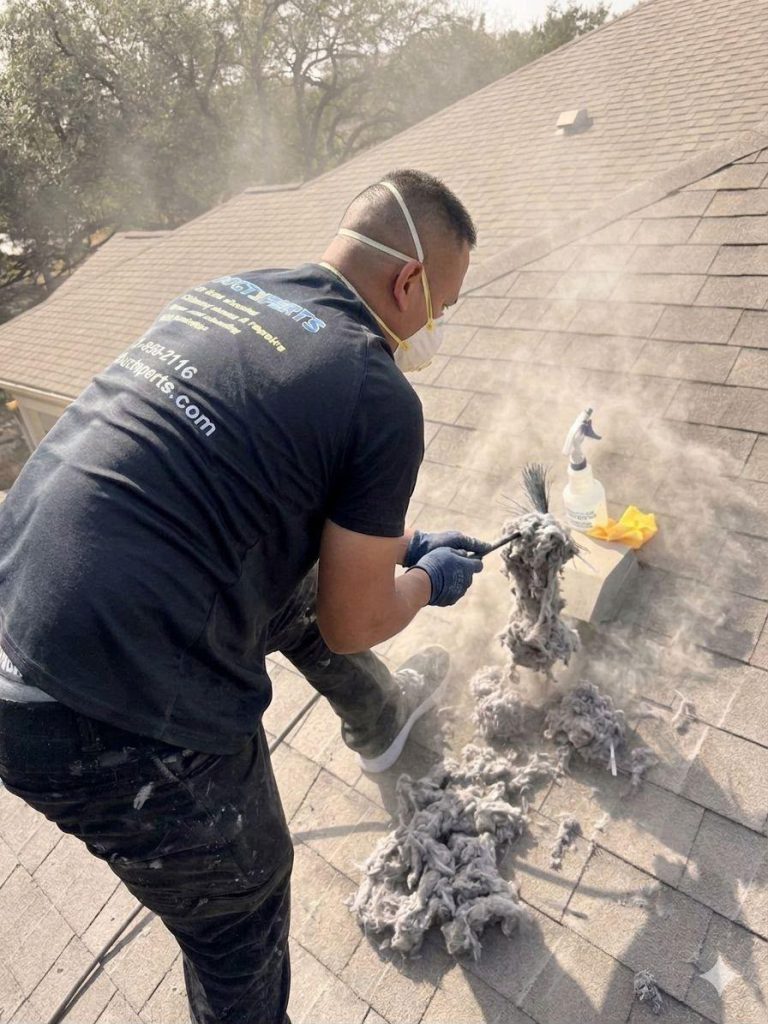
| Airflow Restriction Issues | Air Leakage / Thermal Loss |
|---|---|
| Heavy Renovation Debris | Disconnected Attic Duct Joints |
| Dirty Evaporator Coil | Crushed Flex Duct Lines |
| Clogged Blower Wheel | Compressed Attic Insulation |
| Recommended Solution | Recommended Solution |
| Air Duct & Coil Cleaning | Duct Repair / Sealing |
Key Takeaways
- Targeted Savings: Clean ducts support airflow when excessive buildup creates a physical restriction, but duct cleaning alone does not guarantee a lower electric bill.
- Component Focus: Cleaning dirty coils, fans, and heat exchangers impacts HVAC performance far more than wiping down interior duct walls.
- The Duct Leak Factor: ENERGY STAR reports that 20% to 30% of the air moving through a typical duct system is lost through leaks, holes, and poor connections.
- Systemic View: The best way to improve overall efficiency is to identify the root cause of energy loss, whether dirt, leaks, or insulation, before paying for service.
Airflow Restriction vs. Air Leakage: What Wastes More Energy?
When an HVAC system struggles to cool an Austin home during hot summer months, homeowners often assume dusty vents are to blame. However, structural defects and air leaks typically drive higher energy waste.
| System Issue | Primary Cause | Impact on Energy Bill | Recommended Fix |
|---|---|---|---|
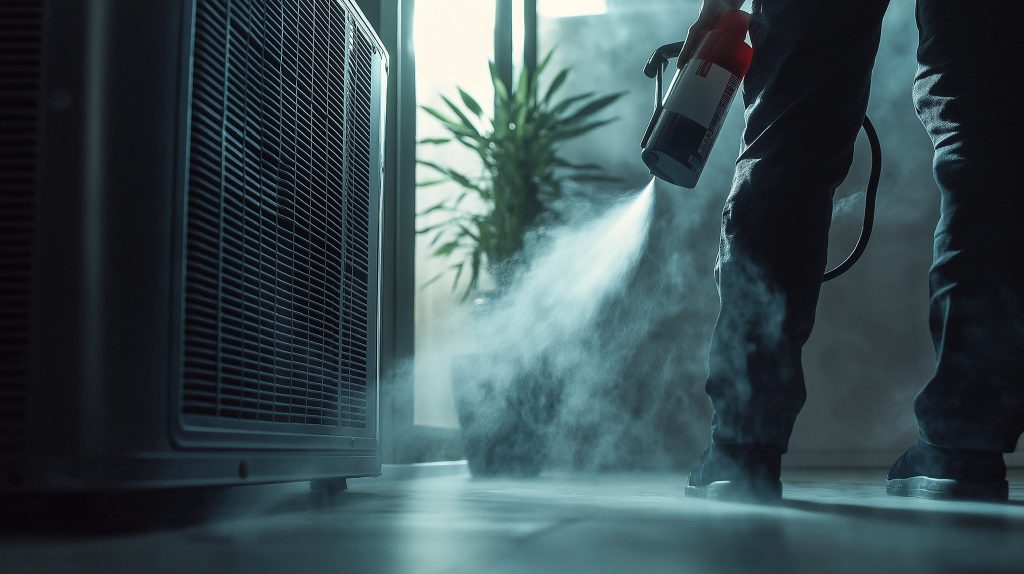
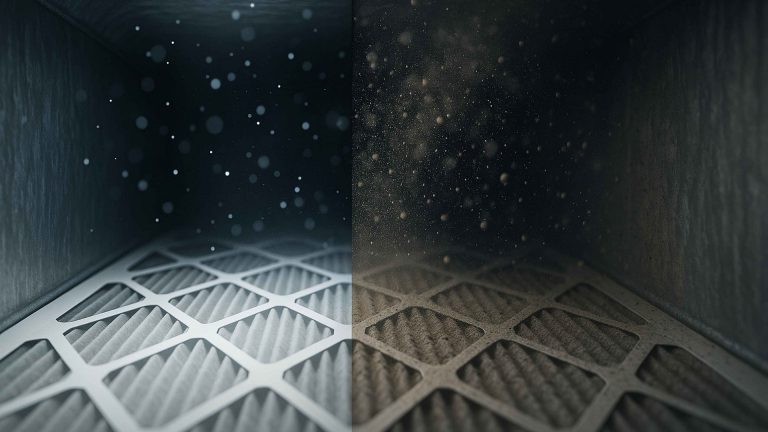
| Mechanical Buildup | Dirty evaporator coils or blower wheel | Moderate to High: System runs longer to transfer heat efficiently. | Air Duct & Coil Cleaning |
| Severe Duct Debris | Heavy drywall dust or pest nesting | Moderate: Narrows airflow paths and starves registers. | Deep HEPA Vacuum Cleaning |
| Duct Air Leaks | Unsealed joints, gaps, or disconnected flex ducts | Critical: 20–30% of conditioned air dumps into the attic. | Duct Sealing & Joint Repair |
| Crushed Flex Lines | Kinked or tangled duct runs in tight spaces | High: Causes extreme temperature imbalances between rooms. | Duct Replacement |
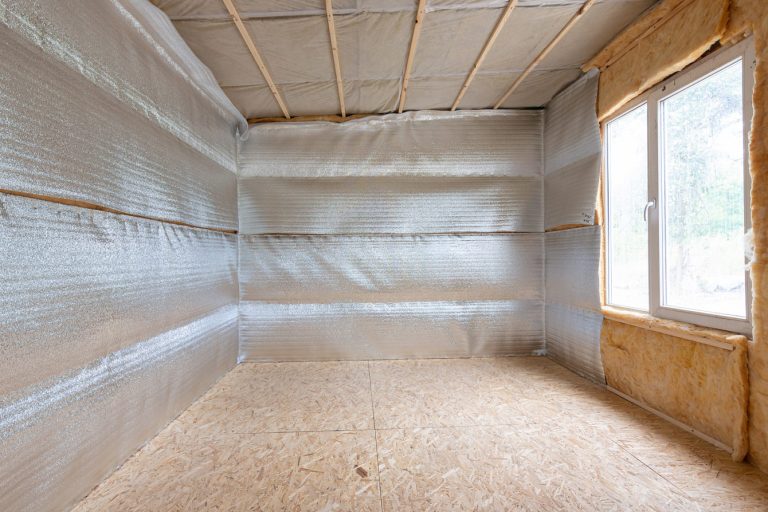
| Inadequate Insulation | Compressed or missing attic insulation | High: Radiant heat warms ductwork and living areas. | Attic Insulation Services |
Why Restricted Airflow Drives Up Utility Costs
Your air conditioner relies on a balanced exchange of supply and return air. When severe debris or dirty mechanical parts impede this airflow, the system experiences longer operating cycles:
- Thermostat Disconnect: Starved registers deliver less conditioned air to living spaces.
- Extended Run Times: The compressor runs continuously trying to pull down the temperature to your thermostat setting.
- Increased Electrical Draw: Blower motors work against higher static pressure, drawing more power while delivering less comfort.
Pro Tip: Before assuming your duct system is clogged, always replace your HVAC filter. A heavily loaded air filter is the single most common cause of sudden airflow restriction.
DIY Diagnostic Checklist Before Scheduling Service
If you notice rising utility costs or weak vent output, run through these troubleshooting steps:
- Filter Status: Check and replace clogged filters according to equipment manufacturer guidelines.
- Register Clearance: Ensure supply registers and return grilles are clear of furniture, rugs, or drapes.
- Visual Duct Check: Inspect accessible attic or closet ductwork for visible disconnections, tears, or crushed flex sections.
- Observe Cycle Length: Note if the AC runs constantly without reaching the set thermostat temperature.
If these basic steps do not resolve the airflow issue, a professional evaluation can help determine whether your system requires cleaning, sealing, structural repair, or insulation upgrades.
Frequently Asked Questions
Will air duct cleaning definitely lower my electric bill?
No. Duct cleaning does not guarantee a lower electric bill. It helps when heavy buildup or dirty mechanical components restrict airflow and strain system performance, but fixing air leaks or adding insulation often yields larger energy savings.
Is duct sealing better for energy efficiency than duct cleaning?
If your system is losing air into an unconditioned attic, sealing is far more effective for reducing energy bills. ENERGY STAR estimates that leaky ducts waste up to 30% of conditioned air.
How do I know if my ducts need cleaning or replacement?
Ducts with heavy dust, pet hair, or construction debris benefit from professional cleaning. Ducts that are crushed, torn, uninsulated, rusted, or contaminated with wet insulation require repair or complete replacement.
Identify Where Your HVAC Energy Is Going
Clean air ducts support healthy airflow, but they are only one part of an efficient home cooling system. Identifying whether your home suffers from air leaks, component buildup, or poor insulation ensures you invest in the right solution.
DuctXperts provides professional air duct cleaning, duct replacement, and attic insulation services across Austin and Central Texas.
Ready to optimize your home’s HVAC efficiency? Contact us today to schedule a professional duct evaluation or request a service estimate.