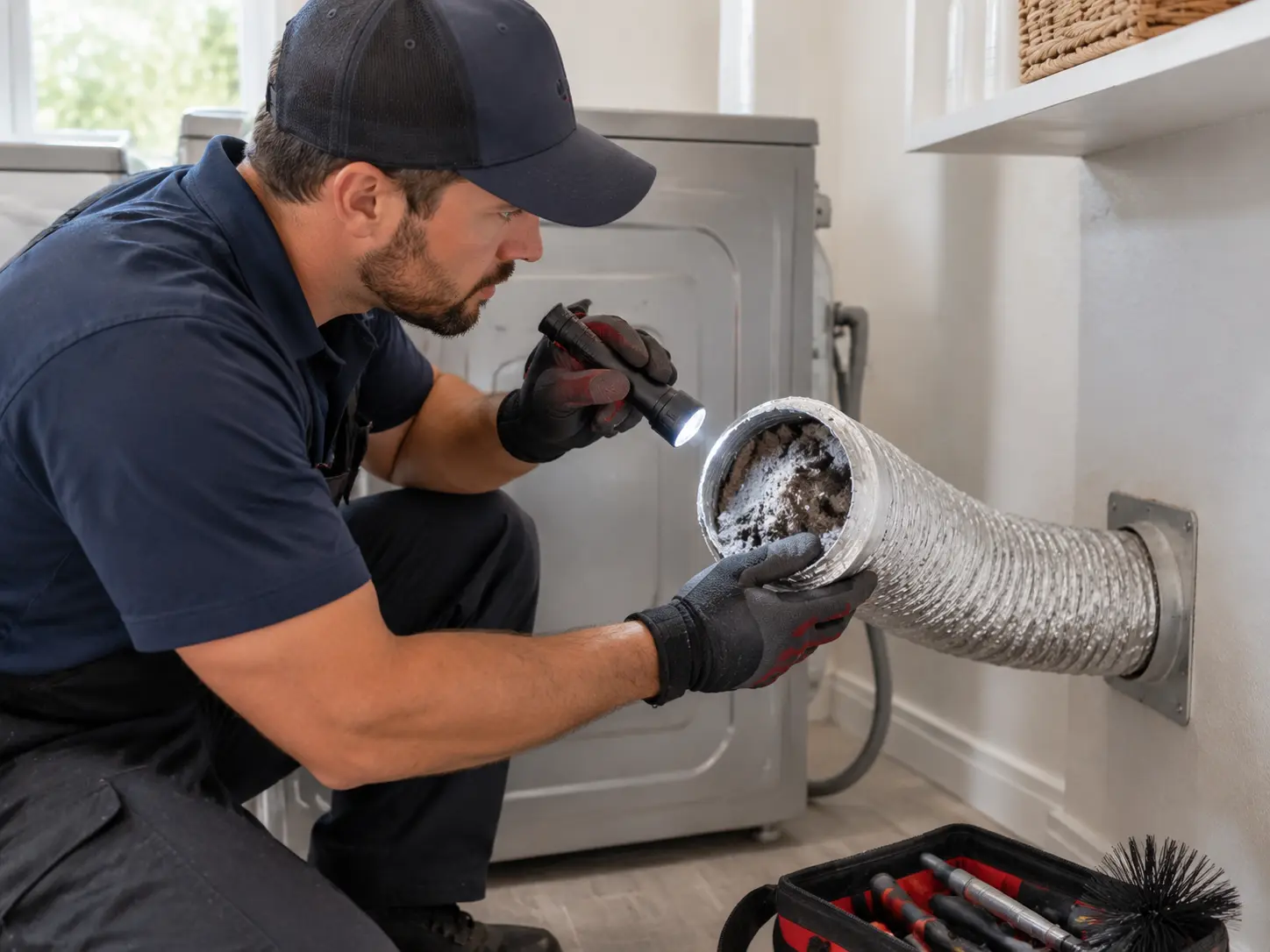
Your dryer is one of the most frequently used appliances in your home, but the vent system behind it is often forgotten. Every load of laundry produces heat, moisture, and lint, and while the lint screen catches some debris, small particles can still travel into the dryer vent and build up over time.
A clogged or poorly maintained dryer vent does more than reduce drying performance. Restricted airflow can trap heat inside the dryer system, forcing the appliance to work harder and increasing the risk of overheating. The U.S. Consumer Product Safety Commission warns that lint buildup in dryers and exhaust ducts can block airflow, cause excessive heat buildup, and contribute to dryer fires.
Knowing the warning signs of a dangerous dryer vent can help you address problems before they become a serious issue, and before you need emergency dryer vent repair.
Why Dryer Vent Blockages Can Become Dangerous
A dryer needs proper airflow to remove hot, moist air from inside the drum. When the vent becomes restricted by lint, debris, or improper installation, that heat cannot escape efficiently.
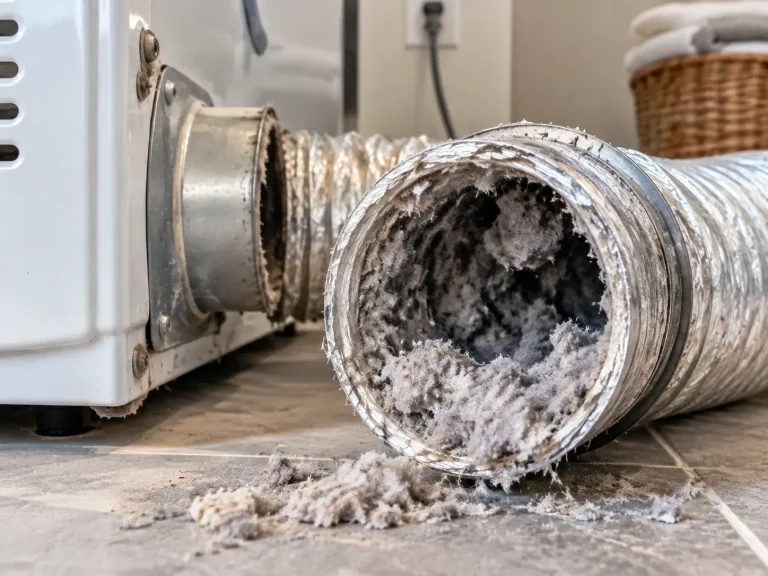
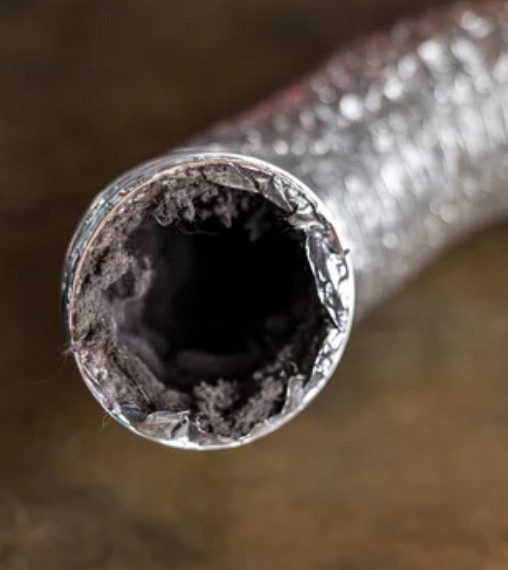
Over time, lint can collect inside the vent line, especially in areas where airflow slows down, such as bends, long vent runs, or damaged sections. Since lint is highly combustible, allowing large amounts of buildup to remain inside the system creates an unnecessary risk. A dryer vent problem usually does not happen overnight, in most cases, the system gives warning signs before the situation becomes dangerous.
8 Warning Signs Your Dryer Vent Is a Fire Hazard
1Clothes Take Longer Than Normal to Dry
If your dryer used to finish a load in one cycle but now requires two or more cycles, the vent may not be removing moisture properly. When hot air cannot exit the dryer efficiently, clothes stay damp longer, and the appliance continues running, which also increases energy usage and stresses the dryer.
2Your Dryer Feels Extremely Hot
A dryer naturally produces heat, but it should not become excessively hot during normal operation. When airflow is restricted, heat can build up inside the dryer and around the exhaust system; you may notice the top of the dryer, the laundry room, or your clothes feel much hotter than usual after a cycle.
3You Notice a Burning Smell
A burning smell during or after running your dryer should never be ignored. This may indicate lint buildup near a heat source or a dryer that is overheating because air is not moving correctly through the vent. If you notice a burning odor, stop using the dryer and have the vent system checked before running another cycle.
4Lint Is Building Up Around the Dryer
Finding lint around your dryer, behind the appliance, or near the outside vent opening can indicate that the vent system is not working correctly. A properly functioning dryer vent should move exhaust air outside while keeping most lint contained. Visible lint buildup is often a sign that there is also hidden buildup inside the vent line.
5The Outside Dryer Vent Has Weak Airflow
A simple check homeowners can perform is looking at the exterior dryer vent while the appliance is running. The outside flap should open, and you should feel warm air moving out of the vent. If the flap barely moves or there is little airflow, the vent may be blocked by a damaged duct, lint buildup, or a blocked exterior cover.
6Your Laundry Room Feels Hot or Humid
Your dryer removes moisture from clothes and sends it outside through the vent. If the laundry room becomes unusually warm or humid during a drying cycle, the exhaust air may not be leaving properly, the dryer vent should release warm air outdoors, not back into your home.
7The Dryer Shuts Off During a Cycle
Many dryers include safety features that shut the appliance down when temperatures become too high. If your dryer frequently stops before completing a cycle, it may be responding to overheating caused by restricted airflow. While there can be several causes, a blocked dryer vent is one of the first things that should be inspected.
8Your Dryer Vent Has Not Been Cleaned Recently
Many homeowners clean the lint filter after every load but forget about the actual dryer vent line. The lint filter does not catch every particle, small amounts of lint can pass through and collect inside the exhaust duct over time. The National Fire Protection Association recommends regular dryer maintenance, including cleaning lint from dryer components and ensuring the exhaust system is not blocked.
Common Dryer Vent Problems That Increase Fire Risk
Not every dryer vent problem is caused by lint alone. The design and condition of the vent system also affect safety. Long vent runs, excessive bends, crushed ducting behind the dryer, and improper vent materials can all restrict airflow.
Flexible plastic or damaged vent materials can trap more lint and reduce airflow compared to properly installed metal ducting. The U.S. Consumer Product Safety Commission recommends replacing unsafe vent materials and maintaining proper exhaust airflow. A professional inspection can identify whether the problem is buildup, installation issues, or damage within the vent system.
How Professional Dryer Vent Cleaning Helps
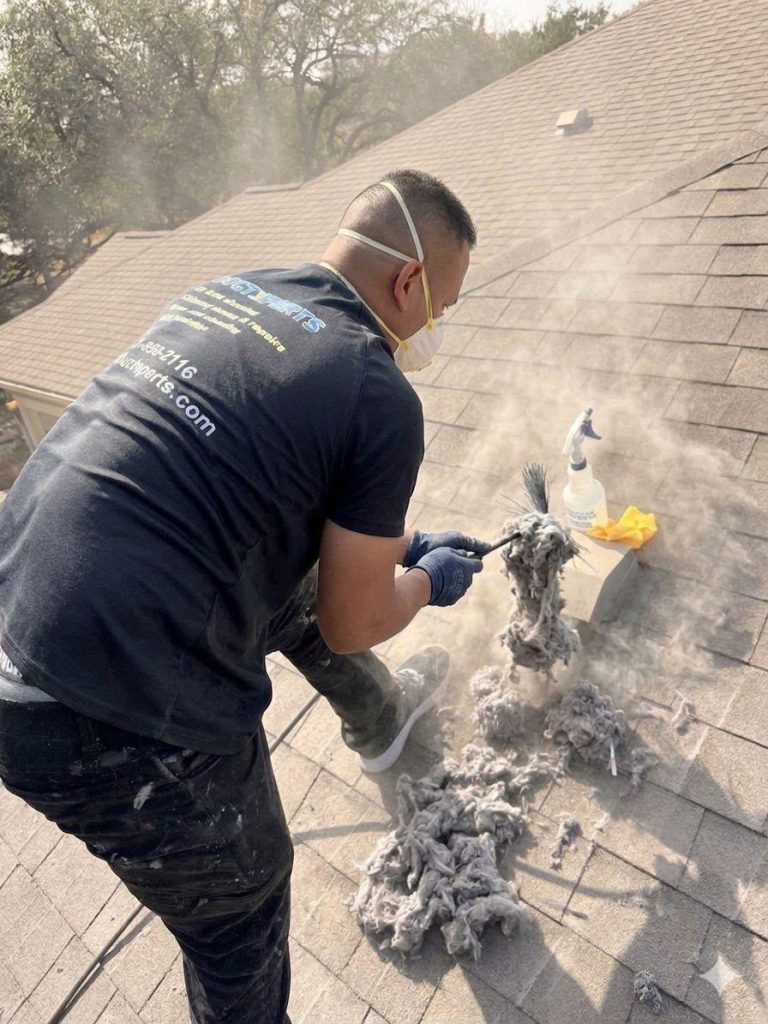
Professional dryer vent cleaning removes lint and debris from areas that are difficult to reach with regular household tools. During a dryer vent cleaning service, technicians inspect the vent path, remove accumulated buildup, and check that air can move properly from the dryer to the exterior of the home.
At DuctXperts, our dryer vent cleaning service helps homeowners improve airflow, reduce dryer strain, and address buildup that can affect dryer performance. Regular cleaning can help your dryer operate more efficiently and reduce problems caused by restricted ventilation. If the vent line itself is damaged rather than just clogged, our clogged dryer vent repair service addresses the root cause instead of masking it.
How to Reduce Dryer Vent Problems
- Clean the lint filter after every load
- Keep the area behind your dryer free from lint and clutter
- Check the outside vent opening regularly to make sure air is escaping
- Don’t ignore small performance changes; longer drying times, unusual heat, or strange odors are often early warnings
If you’re weighing whether to handle a clog yourself or call in a professional, see our comparison guide: clearing a clogged dryer vent yourself vs. calling a pro.
FAQs About Dryer Vent Fire Hazards
How can I tell if my dryer vent is a fire hazard? Watch for longer drying times, a dryer or laundry room that feels unusually hot, a burning smell, weak airflow from the exterior vent, or a dryer that shuts off mid-cycle. Any of these signs mean the vent should be inspected right away.
How often should a dryer vent be cleaned? Most homeowners should schedule professional cleaning once a year, though homes with long vent runs, heavy laundry use, or pets may need it more often.
Can I clean my dryer vent myself? Basic maintenance near the dryer is often manageable, but long or hard-to-reach vent runs typically need professional tools to clear completely and safely.
What is the biggest cause of dryer fires? According to the U.S. Consumer Product Safety Commission, lint buildup that restricts airflow and traps heat is the leading cause of dryer fires.
Protect Your Home With DuctXperts Dryer Vent Cleaning
A dryer vent fire hazard often starts with a problem that seems minor, such as slightly longer drying times or extra lint buildup. Addressing these warning signs early can help protect your appliance and your home.
DuctXperts provides professional dryer vent cleaning services throughout Austin and the surrounding area, including Round Rock, Cedar Park, Georgetown, Pflugerville, Leander, and Kyle. Our team can inspect your dryer vent system and recommend the right solution based on its condition.
📞 Contact DuctXperts today to schedule a dryer vent inspection and make sure your dryer vent system is working properly.