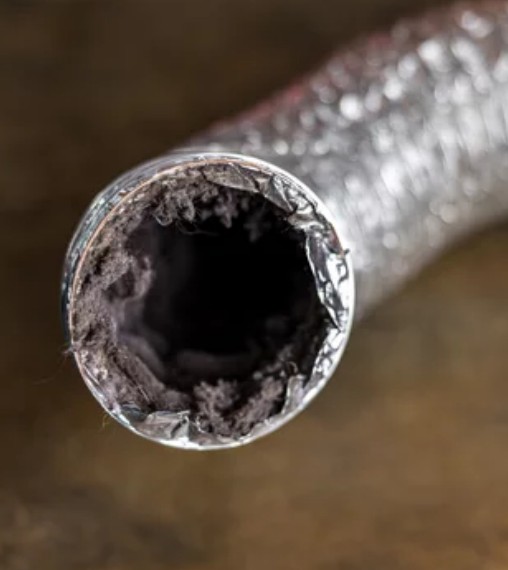

A commercial dryer can look perfectly fine while lint quietly packs the exhaust vent behind it. In a laundromat, apartment laundry room, salon, gym, or hotel, that buildup grows faster than most owners expect because the machines run for hours every day. This guide explains where the lint settles, what it does to safety and operating costs, and how to build a maintenance routine that fits a working property.
Key Takeaways
- The lint screen catches only part of the lint; the rest travels into the cabinet and the exhaust vent.
- Longer drying cycles and hot laundry rooms are often the first operational warning signs.
- Shared or long vent runs can hide restrictions that no single machine reveals.
- Cleaning intervals should follow load volume, vent layout, manufacturer instructions, and local fire code, not a calendar guess.
Why a Busy Dryer Room Collects Lint Faster Than a Home Laundry Closet
Commercial dryers move far more laundry through the same vent system. A home dryer may run a few loads a week. A property with shared laundry can run the same machine many times a day, so lint accumulates on a very different timeline than the one in a typical household guide.
Fabric type matters too. Towels, sheets, and bulk linens shed heavily, which is why salons, gyms, and hospitality properties often see buildup sooner than the machine count alone would suggest. If you want the homeowner version of this problem, our guide on why lint builds up beyond the dryer trap covers the basics.
Where the Lint Actually Hides
Most owners check the screen and stop there. The table below shows where lint tends to collect and why each spot matters.
| Location | What Builds Up | Why It Matters |
|---|---|---|
| Lint screen | Fresh lint every load | A clogged screen reduces airflow immediately |
| Dryer cabinet and heating area | Fine lint that passes the screen | Lint near heat sources is a safety concern; follow the manufacturer’s maintenance instructions |
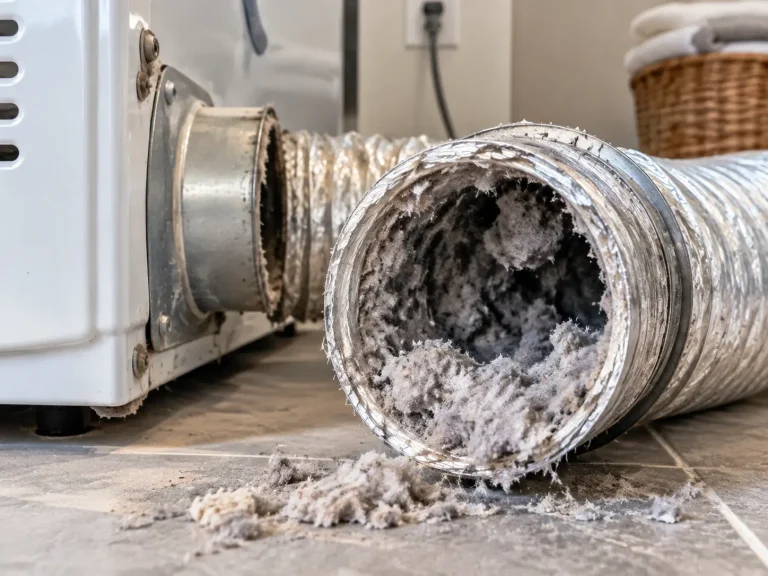
| Transition duct behind the machine | Compressed lint, especially at bends | Crushed or sagging sections trap lint and restrict airflow |
| Main exhaust run | Lint along walls and joints | Long runs and extra elbows collect more |
| Exterior termination or roof cap | Lint and debris at the flap or screen | Weak outside airflow often signals a blockage upstream |
Fire Risk Is Only Part of the Bill
Lint is a fire concern, but it also costs money every day it sits there. A restricted vent makes dryers work harder, which means longer cycles, more gas or electricity per load, and more wear on heating components.
For a laundromat or multifamily property, longer cycles also reduce how many loads each machine can handle. U.S. Fire Administration research on clothes dryer fires lists failure to clean among the leading contributing factors in residential fires. That report focuses on homes, so treat it as context rather than proof of conditions in your building.
What Your Laundry Room Is Telling You
Several day-to-day observations point to a restricted vent. None of them diagnoses the problem on its own, but together they justify an inspection.
| What You Notice | Possible Cause | Next Step |
|---|---|---|
| Loads need a second cycle | Restricted exhaust, clogged screen, or machine issue | Clean the screen, then inspect the vent run |
| Laundry room feels hot or humid | Moist air not exhausting properly | Check outside termination airflow |
| Burning or hot-lint smell | Lint near heat or a serious restriction | Stop using the machine and call a professional |
| Lint around or behind the dryers | Loose, damaged, or disconnected duct | Inspect and repair the connection |
| Weak airflow at the exterior flap | Blockage somewhere along the run | Schedule a full vent cleaning |
If one of your machines is showing these signs, our dryer vent fire hazard warning signs article goes deeper on what each symptom can mean.
Austin Heat Makes Laundry Rooms Work Harder
Central Texas summers push laundry rooms and mechanical closets to high temperatures, and dryers add heat on top of that. Dryer vents that run through hot attics or up through roofs add long runs and difficult terminations, which makes buildup harder to spot.
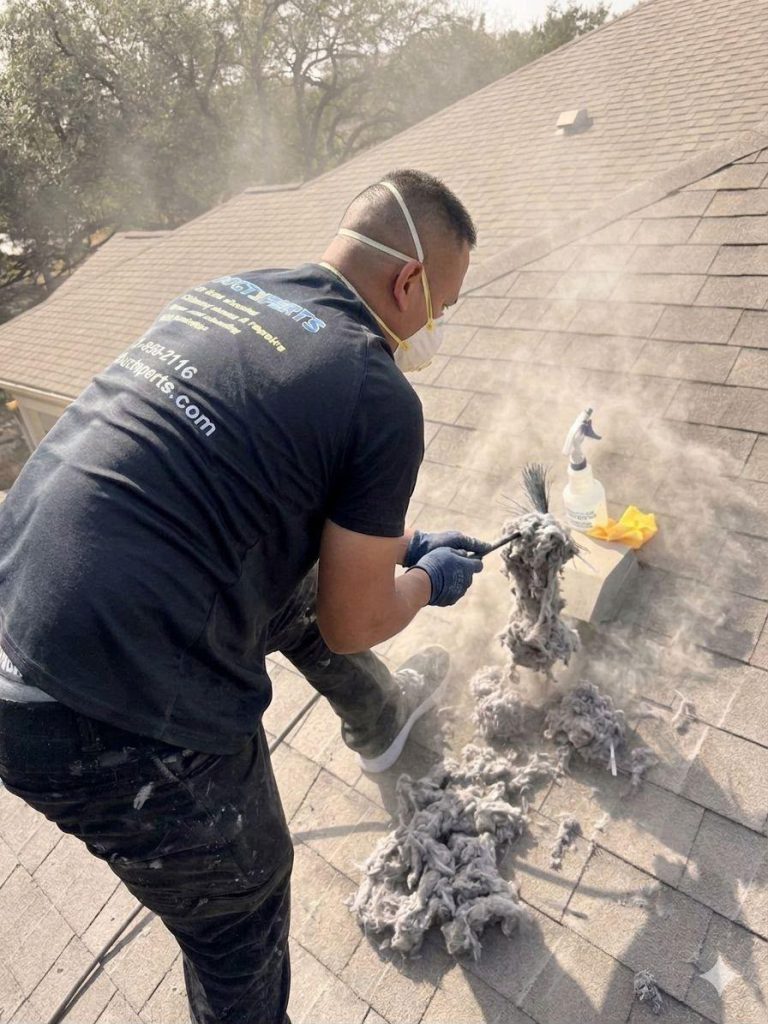
That combination makes vent condition worth checking before summer demand peaks. DuctXperts provides dryer vent cleaning in Austin for apartment communities, laundromats, salons, and other commercial properties, and the exhaust path is where that service focuses.
Not Sure How Bad the Vent Run Really Is?
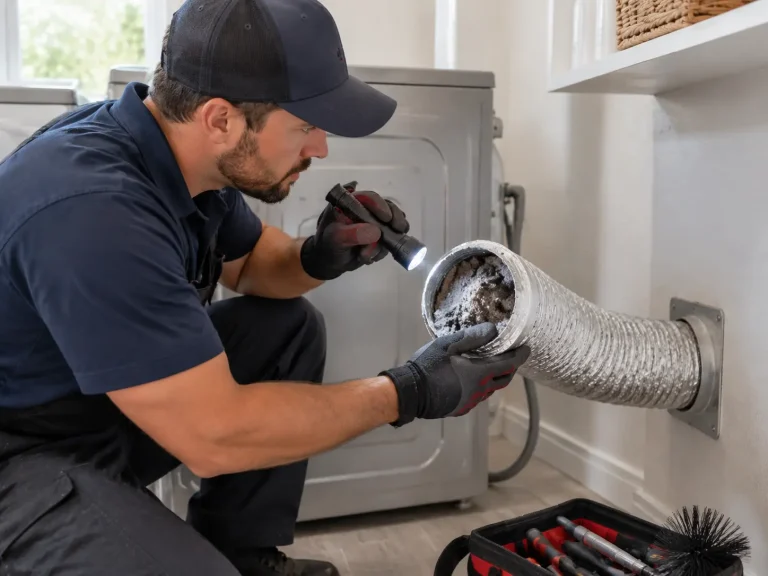
A vent that has never been inspected can hold more lint than the symptoms suggest, especially when several dryers share a path. An inspection shows the actual condition of the run, the transition ducts, and the exterior termination, so cleaning is based on what is present rather than on an assumption.
Building a Routine That Survives a Busy Week
A good routine separates what staff do daily from what a professional does periodically. That keeps responsibility clear and gives you records if an insurer or inspector asks.
- Clean lint screens at the interval the dryer manufacturer specifies, and make it a posted, assigned task.
- Keep the area around each dryer clear of lint, packaging, and stored supplies.
- Check transition ducts for crushing, sagging, or loose connections when you move machines.
- Test exterior airflow and look for a stuck flap or blocked cap.
- Have the full vent run inspected and cleaned by a professional on a schedule set by load volume, run length, and manufacturer and fire-code requirements.
- Keep a short log of dates, findings, and any repairs.
If the inspection finds damaged or poorly routed ducts, cleaning may not be the right fix. Our article on clogged dryer vent repair explains when repair or rerouting makes more sense than cleaning alone.
What a Vent Cleaning Will and Will Not Fix
Vent cleaning clears lint from the exhaust path and restores airflow. It does not repair a failing heating element, a faulty sensor, or a crushed duct, and the inside of the dryer cabinet follows the manufacturer’s maintenance instructions.
That distinction matters for property managers, because a machine that still dries slowly after a vent cleaning may need an appliance technician. Our annual dryer vent cleaning guide covers the household side of that routine.
Frequently Asked Questions
Is emptying the lint screen enough for a commercial dryer?
No. The screen catches only part of the lint. Finer fibers pass through into the cabinet and exhaust vent, where they settle along bends, joints, and the exterior termination. Screen cleaning is essential every cycle, but the full vent run still needs periodic inspection and cleaning to keep airflow within manufacturer specifications.
How often should commercial dryer vents be cleaned?
It depends on how many loads the machines run, the vent length and number of bends, the fabrics being dried, and the manufacturer and local fire-code requirements. High-volume sites usually need more frequent service than low-use laundry rooms. A professional inspection is the most reliable way to set an interval for your building.
What are the warning signs of lint buildup in a commercial dryer?
Common signs include longer drying cycles, a hot or humid laundry room, a burning smell, lint collecting behind the machines, and weak airflow at the outside vent. Any one can have other causes, but together they point to a restricted exhaust that should be inspected promptly.
Can lint buildup in a dryer vent cause a fire?
Lint is combustible, and a restricted vent can raise temperatures inside the machine and exhaust path. Failure to clean is widely identified as a contributing factor in dryer fires. A clean vent reduces that risk but is not a guarantee, so follow manufacturer instructions and have equipment inspected when you notice warning signs.
Does DuctXperts clean dryer vents for apartments and laundromats?
Yes. DuctXperts provides dryer vent cleaning in Austin for homes, apartment communities, laundromats, salons, and other commercial properties. Every job starts with a free inspection, and the quote is a fixed price agreed before work begins. Call (512) 656-2116 or book online to discuss your equipment.
Keep Your Dryer Vents Working Before Lint Becomes a Problem
If your property runs multiple dryers, an inspection is a low-pressure way to see what is actually inside the vents. DuctXperts serves Austin and the surrounding Central Texas area, and the free inspection comes with a fixed price quoted before any work starts.
Schedule your dryer vent inspection or call (512) 656-2116 to talk through your property.