Most of the work in an air duct cleaning appointment happens out of sight, but a little preparation changes how smoothly it goes. Clear access, secured pets, and a short list of your concerns help the technician spend time on the ducts instead of moving furniture. This guide walks through what to do before the appointment, what to leave alone, and what to ask so there are no surprises.
Key Takeaways
- Access is the biggest factor: reachable registers, returns, and the air handler save time.
- Secure pets and children away from work areas and open doors.
- Do not pour cleaners into vents or try to disinfect the system beforehand.
- Tell the technician what you have noticed, such as odors, dust, or uneven airflow.
- Confirm scope, pricing, and what happens if hidden damage turns up before work starts.
Start With a Walk-Through of Your Own House
Walk through every room and note each supply vent and return grille. Many Austin homes have more openings than owners remember, including closets, bonus rooms, and additions that were tied into the system later.
Write down any room that feels warmer, dustier, or musty. That list gives the technician a starting point and helps separate a cleaning need from airflow or moisture problems. If you are still deciding whether you need service at all, our guide to signs it’s time to clean your air ducts can help.
The Prep Checklist, Room by Room
This table covers the tasks that make the biggest difference and explains why each one helps.
| Prep Task | Why It Helps | Who Usually Handles It |
|---|---|---|
| Clear furniture, rugs, and décor near vents and returns | Gives the crew room to work and protects your belongings | You |
| Make the attic hatch and air handler area reachable | Equipment in tight spaces is often where problems hide | You |
| Secure pets and keep children out of work areas | Reduces stress, escapes, and safety issues around equipment | You |
| Move fragile or wall-mounted items near registers | Prevents accidental knocks during hose and agitation work | You |
| Note odors, dust, or airflow problems | Helps the technician focus the inspection | You |
| Set up protection, equipment, and containment | Technicians typically handle this; confirm with your provider | Service provider |
Give the Technician a Clear Path
Access problems are the most common reason a visit takes longer than planned. Check that you can reach the thermostat, the air handler (often in a closet, garage, or attic), and any return located in a hallway or ceiling.
If the air handler is in an attic, make sure the hatch is not blocked by storage and that the walkway is clear. Homes with more than one system need access to each one, so mention a second unit when you book. This is also a good time to look at your filter and note its condition.
What Not to Do Before the Appointment
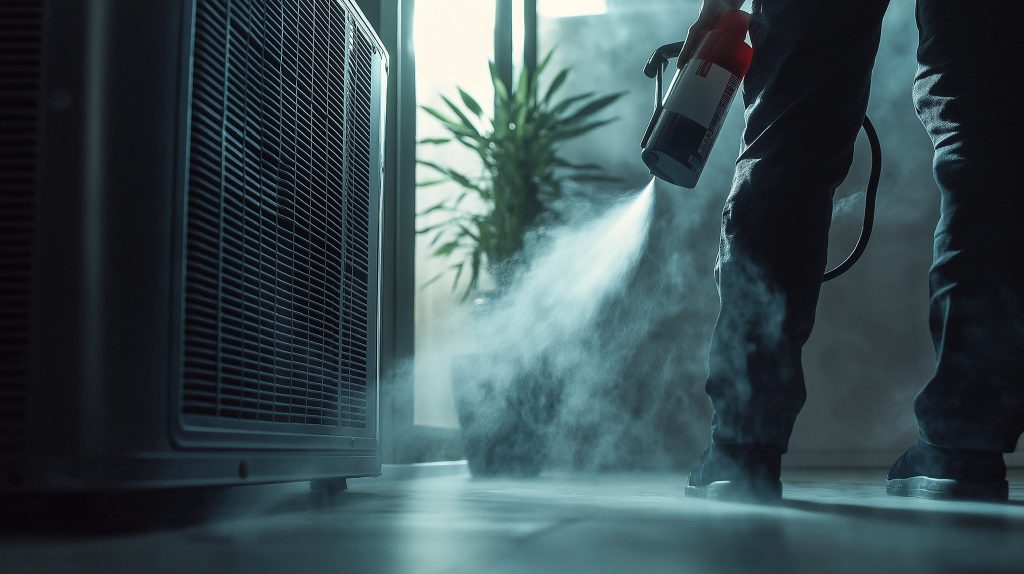
Do not spray cleaners, disinfectants, or fragrances into your vents. Products designed for surfaces are not made to be circulated through an HVAC system, and the U.S. EPA notes that biocides should be used only according to their label, and only when visible microbial growth cannot be removed physically.
The EPA also advises sealing registers and holding off on running the system during dusty work, which is a different situation from routine cleaning. You can read its full guidance on whether to have your air ducts cleaned.
| Common Prep Mistake | What Can Happen | Better Move |
|---|---|---|
| Spraying vents with cleaner or fragrance | Residue circulates and the odor is only masked | Leave the vents alone and describe the smell to the technician |
| Blocking the air handler with storage | The visit takes longer or part of the system is skipped | Clear a path before the appointment |
| Letting pets roam during the work | Safety and escape risks around open equipment | Secure pets in a closed room |
| Not mentioning a second HVAC system | One system may be left out of the quote | Tell the provider about every unit when booking |
Not Sure Whether Your System Needs Cleaning at All?
Dust, odors, and uneven airflow can have different causes, and cleaning is not the answer to all of them. A free inspection looks at the actual condition of your system before anyone quotes a price, so you know whether cleaning, sealing, or another step makes sense.
Questions Worth Asking Before the Work Starts
A few questions set expectations and prevent disagreements later. Ask them when you book rather than when the crew arrives.
- What is included in the service, and which parts of the system will be cleaned?
- Is the quote a fixed price or hourly, and what could change it?
- How do you protect floors, furniture, and the area around registers?
- What happens if you find damaged, wet, or contaminated ductwork?
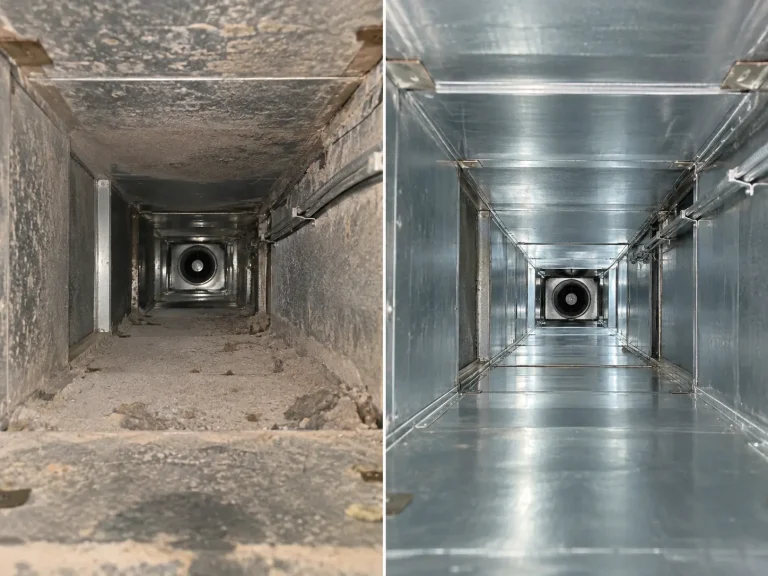
- Can you show me what you found before and after the work?
On price, our page on air duct cleaning cost in Austin explains what affects the quote. DuctXperts starts every job with a free inspection and gives one fixed price before work begins.
The Day of Service in Plain English
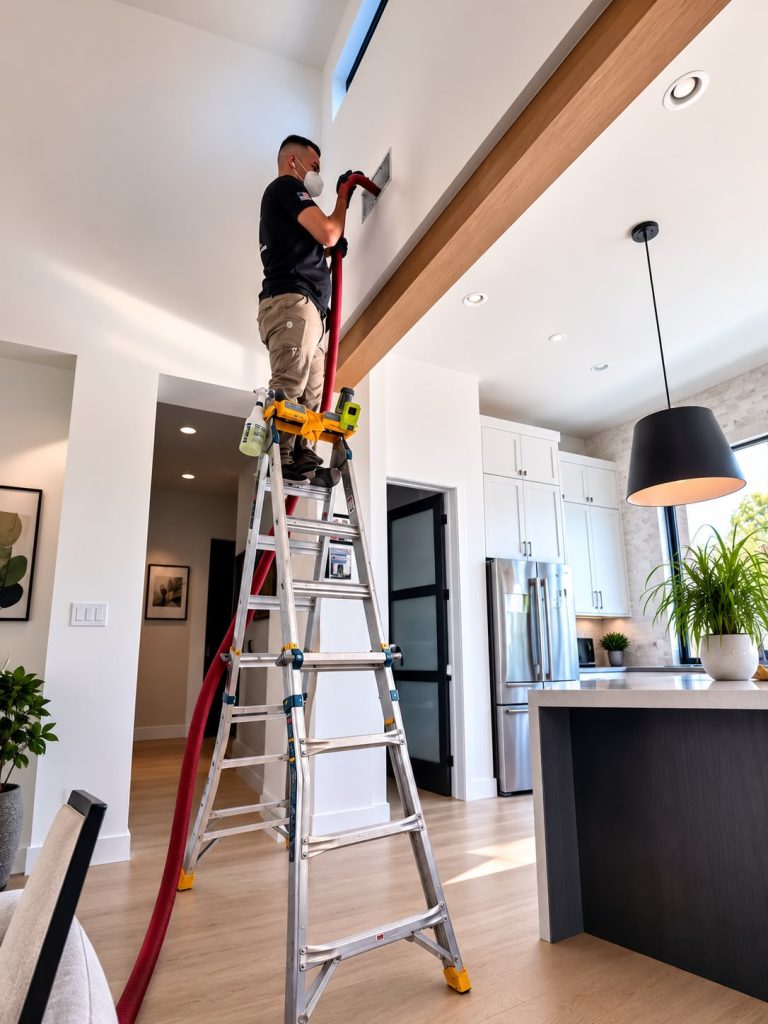
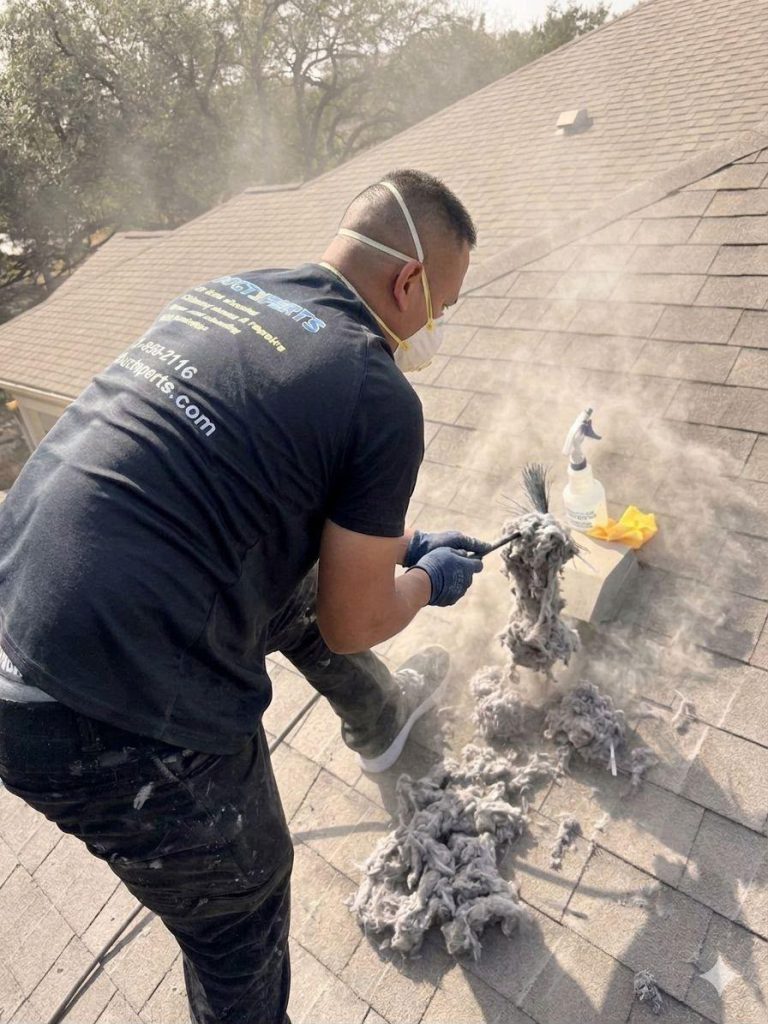
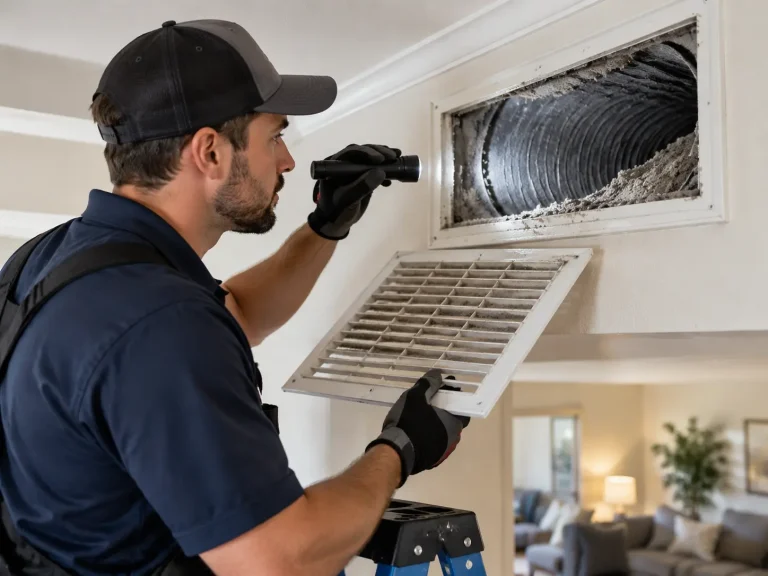
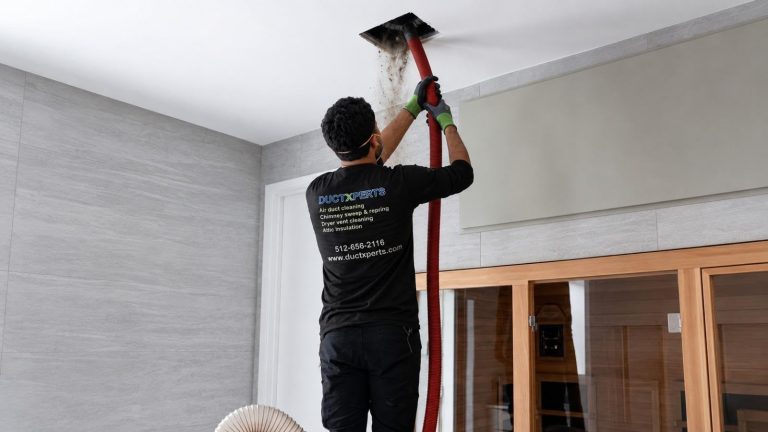
Expect the technician to inspect the system, set up equipment, and clean supply and return ductwork using agitation and vacuum extraction. You can stay home, but keep pets contained and stay clear of the work areas.
Afterward, ask to see the results and review anything the technician found, such as damaged insulation or moisture. Findings like that may point to a separate fix, and our guide to what to look for with mold in air ducts explains how to think about suspected growth.
After the Technician Leaves
Replace the HVAC filter if it is dirty, and put registers and covers back as the technician left them. Run the system and walk through the house to confirm airflow is normal and nothing was missed.
Duct cleaning is only part of keeping an HVAC system healthy. Our article on how often to clean air ducts in Texas homes explains how to decide on follow-up service, and homes in Round Rock, Cedar Park, and across Central Texas follow the same prep steps.
Frequently Asked Questions
Do I need to clean before the air duct cleaners arrive?
No. You do not need to clean the ducts or vents yourself. Just clear access around registers, returns, and the air handler, secure pets, and move fragile items. Surface vacuuming of registers is fine, but avoid spraying anything into the system, because that can interfere with the technician’s assessment.
Should I turn off my HVAC system before duct cleaning?
Ask your provider. Technicians commonly manage the system during the job, and the right approach can depend on how they set up equipment and containment. Follow their instructions rather than guessing, and do not run the system during active work unless the technician tells you to.
Do I need to be home during duct cleaning?
You or another adult should be present at the start to provide access and review the scope, and you can generally stay home during the work. Keep pets and children away from work areas. If you cannot be there, arrange access with your provider in advance and confirm how the final walkthrough will happen.
How long does air duct cleaning take?
It depends on the size of the home, the number of vents and returns, the number of HVAC systems, and the level of buildup. Rather than assume a fixed time, ask for an estimate after the inspection, since access and system layout can change the schedule significantly.
Does DuctXperts inspect before quoting air duct cleaning?
Yes. DuctXperts begins every job with a free inspection and then gives one fixed price before work starts. The inspection looks at your actual system, so the quote reflects what is present. Call (512) 656-2116 or book online to schedule, and mention any access issues when you do.
Ready to Schedule Without the Guesswork?
A short prep routine and a clear conversation with your provider make duct cleaning easier for everyone. DuctXperts serves Austin and the surrounding Central Texas area, with free inspections and a fixed price quoted before any work begins.
Learn about air duct cleaning in Austin or book your appointment today.